
When it comes to bathroom renovations in Melbourne, one of the most impactful decisions you’ll make is choosing the right shower screen. The debate between frameless and semi-frameless shower screens has been heating up among homeowners, and for good reason. Your choice doesn’t just affect the visual appeal of your bathroom – it influences cleaning routines, maintenance requirements, and your overall renovation budget.
Many Melbourne homes are embracing minimalist design trends, with clean lines and open spaces taking centre stage. This shift has sparked renewed interest in shower screen options that complement modern aesthetics while delivering practical benefits. Understanding the differences between frameless and semi-frameless screens will help you make an informed decision that aligns with your lifestyle, budget, and design goals.
The shower screen market has evolved significantly over the past decade, with manufacturers introducing innovative designs that cater to diverse preferences and bathroom configurations. Whether you’re renovating a compact ensuite or transforming a spacious master bathroom, the right screen choice can dramatically enhance your space’s functionality and visual impact.
What is a Frameless Shower Screen?
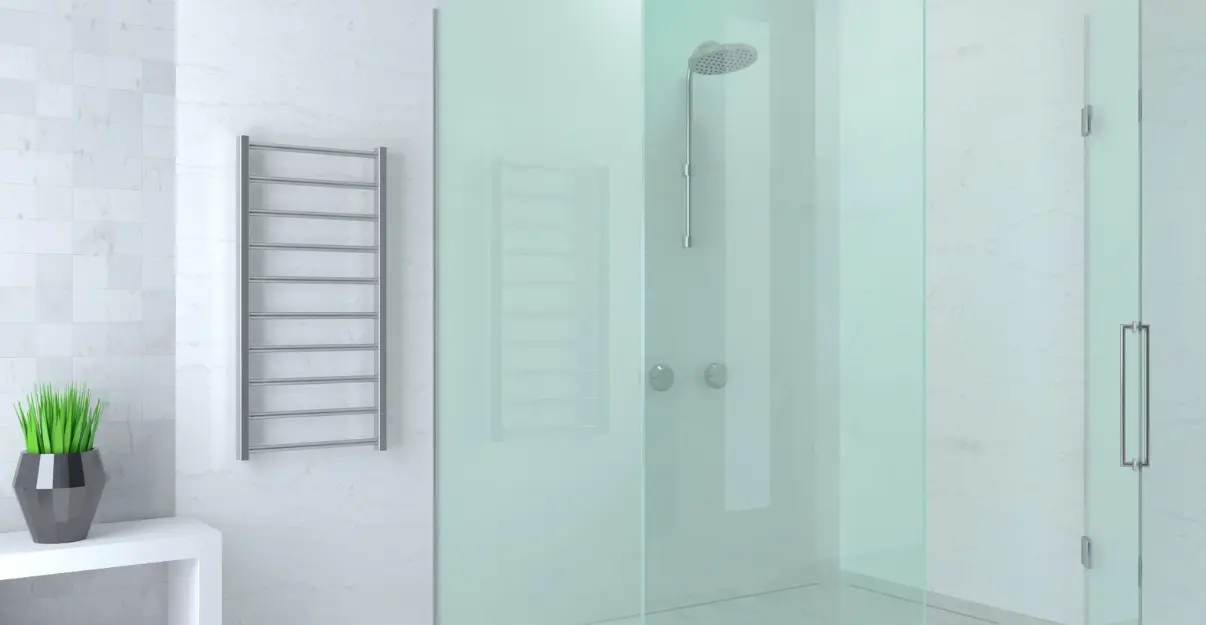
A frameless shower screen represents the pinnacle of minimalist bathroom design, featuring sleek glass panels held in place by discrete brackets and hinges without visible framing around the perimeter. This design approach creates an uninterrupted glass surface that allows natural light to flow freely throughout the bathroom space, making even compact areas feel more open and airy.
The construction of frameless screens relies on thicker tempered glass, typically ranging from 8mm to 12mm, which provides the structural integrity needed without external support frames. This thickness ensures safety and durability while maintaining the clean, sophisticated appearance that Melbourne homeowners increasingly demand. The glass panels are secured using high-quality stainless steel or brass hardware that’s engineered to withstand daily use and moisture exposure.
Installation of frameless screens requires precise measurements and professional expertise, as there’s minimal room for error when working with custom-cut glass panels. The absence of frames means that any imperfections in measurement or installation become immediately apparent, making it essential to work with experienced professionals who understand the nuances of frameless screen installation.
The aesthetic appeal of frameless screens lies in their ability to create visual continuity throughout the bathroom. Without frames to break up sight lines, these screens allow beautiful tilework, stone features, or architectural details to remain the focal point. This makes them particularly effective in luxury renovations where high-end materials and craftsmanship deserve to be showcased without distraction.
What is a Semi-Frameless Shower Screen?
Semi-frameless shower screens offer a balanced approach between traditional framed designs and completely frameless options. These screens feature minimal aluminium framing, typically around the edges or door sections only, while maintaining larger unframed glass areas. This design strategy provides structural support where needed while still delivering much of the visual appeal associated with frameless designs.
The framing in semi-frameless screens is usually slim-profile aluminium that’s available in various finishes including chrome, brushed nickel, matt black, or white. This framing serves both functional and aesthetic purposes, providing additional structural support while creating subtle design accents that can complement other bathroom fixtures and fittings.
Semi-frameless screens typically use slightly thinner glass than their frameless counterparts, usually between 6mm to 8mm, since the frame provides additional structural support. This difference in glass thickness contributes to the cost savings that make semi-frameless options more budget-friendly while still delivering enhanced visual appeal compared to fully framed alternatives.
The installation process for semi-frameless screens is generally more forgiving than frameless options, as the framing can help accommodate minor measurement variations or wall irregularities. This flexibility can be particularly beneficial in older Melbourne homes where walls may not be perfectly straight or square, reducing the need for extensive preparation work.
The versatility of semi-frameless designs makes them suitable for various bathroom styles, from contemporary to transitional designs. The subtle framing can either blend seamlessly with the overall aesthetic or provide subtle contrast that enhances the bathroom’s visual interest without overwhelming the space.
Design Impact and Visual Aesthetics
The visual impact of your shower screen choice extends far beyond the immediate shower area, influencing the perception of space, light, and overall bathroom ambiance. Frameless screens excel at creating seamless visual flow, allowing the eye to travel uninterrupted across the bathroom space. This continuity is particularly valuable in small bathrooms where every element needs to work together to maximise the sense of space.
Light transmission and reflection play crucial roles in how different screen types affect bathroom ambiance. Frameless screens allow maximum light penetration, reducing shadows and creating brighter, more welcoming spaces. This is especially beneficial in Melbourne’s variable climate, where natural light can be limited during winter months. The unobstructed glass surface also reflects light more effectively, creating subtle illumination that enhances the bathroom’s overall brightness.
Semi-frameless screens still deliver excellent light transmission while adding subtle architectural interest through their minimal framing. The slim frames can create gentle shadow lines that add depth and dimension to the bathroom space. This can be particularly effective in larger bathrooms where some visual structure helps define different areas and creates more sophisticated lighting effects.
The choice between frameless and semi-frameless screens also affects how other bathroom elements are perceived. Frameless screens allow beautiful tilework, stone features, or architectural details to remain uninterrupted focal points. Semi-frameless screens can provide subtle framing that actually enhances certain design elements while maintaining good visual flow throughout the space.
Cleaning and Maintenance Considerations
Daily maintenance requirements represent one of the most practical considerations when choosing between frameless and semi-frameless shower screens. Frameless screens generally offer easier cleaning due to their lack of frames, channels, and crevices where soap scum and water deposits can accumulate. The smooth glass surface can be cleaned with standard glass cleaners and squeegees, making daily maintenance straightforward and efficient.
However, frameless screens do require more attention to water spots and streaking, as any marks or residue are immediately visible on the large, uninterrupted glass surface. Regular squeegee use after each shower becomes more important with frameless screens to maintain their pristine appearance. The absence of frames also means that any water leakage issues become more apparent, requiring prompt attention to prevent water damage.
Semi-frameless screens require slightly more detailed cleaning around the frame areas, where soap residue and water deposits can accumulate in corners and joints. The frames themselves need regular attention to prevent discolouration or corrosion, particularly in areas with hard water. However, the frames can also help camouflage minor water spots or streaking on the glass surface, making them more forgiving for homeowners who prefer lower-maintenance solutions.
Long-term maintenance considerations include hardware replacement and seal maintenance. Frameless screens typically use higher-quality hardware that’s designed for longevity, but replacement parts can be more expensive when needed. Semi-frameless screens may require more frequent seal replacement around frame joints, but these components are generally more affordable and readily available.
The choice of glass treatment also affects maintenance requirements. Both frameless and semi-frameless screens can be treated with protective coatings that resist water spots and soap residue, reducing daily cleaning requirements. These treatments are particularly beneficial for frameless screens where any marks or residue are immediately visible.
Cost Analysis and Budget Considerations
The financial investment required for frameless versus semi-frameless shower screens varies significantly based on several factors including glass thickness, hardware quality, installation complexity, and customisation requirements. Understanding these cost drivers will help you make an informed decision that aligns with your renovation budget while delivering the desired aesthetic and functional outcomes.
Frameless shower screens typically represent a higher initial investment, with costs ranging from A$800 to A$2,500 for standard configurations. This price range reflects the premium materials required, including thicker tempered glass, high-quality stainless steel or brass hardware, and the precision manufacturing needed for proper fit and function. Custom shapes, additional panels, or premium hardware can increase costs to A$3,000 or more.
Semi-frameless screens offer more budget-friendly options, typically ranging from A$500 to A$1,500 for standard installations. The cost savings come from using slightly thinner glass, less expensive aluminium framing, and simpler installation requirements. However, high-end semi-frameless screens with premium finishes and hardware can approach the cost of basic frameless options.
Installation costs also differ between the two options, with frameless screens requiring more skilled labour and precise measurements. Professional installation for frameless screens typically costs A$300 to A$600, while semi-frameless installation usually ranges from A$200 to A$400. The complexity of your bathroom layout and any required modifications can affect these installation costs.
When evaluating costs, consider the long-term value proposition of each option. Frameless screens often deliver better return on investment due to their premium appeal and timeless aesthetic. They’re also less likely to look dated as design trends evolve, potentially reducing future renovation needs. Semi-frameless screens offer excellent value for homeowners seeking improved aesthetics without the premium price point.
Installation Requirements and Timeframes
The installation process for shower screens involves several critical steps that affect both timeline and final results. Understanding these requirements helps set realistic expectations and ensures proper planning for your bathroom renovation project. The complexity of installation varies significantly between frameless and semi-frameless options, with implications for both scheduling and costs.
Frameless screen installation requires precise measurements and careful preparation of mounting surfaces. The process begins with detailed measurements taken after tiling is complete, followed by custom glass cutting and hardware preparation. This typically requires 7 to 10 working days from measurement to installation, depending on glass supplier schedules and any customisation requirements.
The installation itself usually takes 2 to 4 hours for standard configurations, though complex layouts or multiple panels may require additional time. Professional installers must ensure perfect alignment and proper seal installation to prevent water leakage. Any errors in measurement or installation can result in costly remakes or modifications.
Semi-frameless screen installation follows a similar process but with more flexibility for minor adjustments during installation. The frame components can accommodate small variations in measurements or wall irregularities, making the installation process more forgiving. Lead times are typically shorter, ranging from 5 to 7 working days, with installation usually completed within 2 to 3 hours.
Both installation types require completed bathroom preparation, including finished tiling, plumbing rough-in, and any necessary electrical work. The shower area must be fully cured and ready for use before screen installation can proceed. This sequencing is crucial for renovation timeline planning and avoiding costly delays.
Durability and Longevity Factors
The expected lifespan and durability of shower screens depend on material quality, installation precision, and maintenance practices. Understanding these factors helps evaluate the long-term value of your investment and anticipate future maintenance or replacement needs. Both frameless and semi-frameless screens can deliver excellent longevity when properly installed and maintained.
Frameless screens typically offer superior durability due to their thicker glass construction and high-quality hardware. The absence of frames eliminates many potential failure points, such as frame corrosion or seal degradation around frame joints. Quality frameless screens can last 15 to 20 years or more with proper care, making them excellent long-term investments.
The hardware used in frameless screens is typically manufactured from corrosion-resistant materials such as stainless steel or brass, designed to withstand constant moisture exposure. These materials maintain their appearance and functionality over time, requiring minimal maintenance beyond regular cleaning. However, the higher-quality hardware also means replacement parts are more expensive when needed.
Semi-frameless screens offer good durability, though the aluminium framing may show signs of wear over time, particularly in areas with hard water or aggressive cleaning products. The frames themselves typically last 10 to 15 years before showing significant wear, though the glass panels may last considerably longer. Regular maintenance of frame seals and joints is essential for preventing water leakage and extending screen life.
Environmental factors in Melbourne, including humidity levels and water quality, can affect screen longevity. Areas with hard water may experience more rapid mineral buildup on glass surfaces and frame components, requiring more frequent maintenance to prevent permanent staining or damage.
Safety and Building Code Compliance
Safety considerations for shower screens are paramount, with Australian building codes specifying strict requirements for glass type, thickness, and installation methods. Both frameless and semi-frameless screens must comply with Australian Standard AS1288, which governs safety glazing requirements for bathroom applications. Understanding these requirements ensures your renovation meets all necessary safety standards.
All shower screen glass must be tempered safety glass that meets specific impact resistance and breakage pattern requirements. When broken, tempered glass fractures into small, relatively harmless pieces rather than sharp shards, significantly reducing injury risk. Both frameless and semi-frameless screens use tempered glass, though thickness requirements may vary based on the specific design and support structure.
Frameless screens typically require thicker glass to provide adequate structural integrity without frame support. The minimum thickness is usually 8mm for standard applications, increasing to 10mm or 12mm for larger panels or high-stress applications. This thickness requirement contributes to the higher cost of frameless screens but ensures adequate safety margins.
Semi-frameless screens can use slightly thinner glass due to frame support, typically 6mm to 8mm thickness. The aluminium framing provides additional structural support that allows for thinner glass while maintaining safety standards. However, the frame installation must meet specific requirements for fastening and support to ensure overall screen stability.
Professional installation is crucial for both types to ensure proper compliance with safety requirements. Installers must verify that mounting surfaces are adequate, hardware is properly secured, and all seals are correctly installed to prevent water leakage. Building inspectors may verify compliance during final inspections, making professional installation essential.
Which Option Should You Choose?
Selecting between frameless and semi-frameless shower screens requires careful consideration of your specific needs, preferences, and circumstances. The decision involves balancing aesthetic goals, budget constraints, maintenance preferences, and practical considerations unique to your bathroom layout and household requirements.
Choose frameless screens if you prioritise maximum visual impact and have the budget for premium materials and installation. These screens are ideal for luxury renovations, modern design schemes, or situations where you want to showcase beautiful tilework or architectural features. Frameless screens also work well in small bathrooms where maximising the sense of space is crucial.
Semi-frameless screens represent the ideal choice for homeowners seeking enhanced aesthetics without premium pricing. They’re particularly suitable for family bathrooms where durability and easy maintenance are important, or for renovation projects with moderate budgets. The subtle framing can also complement traditional or transitional design styles better than completely frameless options.
Consider your long-term plans when making this decision. If you’re planning to stay in your home for many years, the premium investment in frameless screens may be justified by their superior aesthetics and potential property value enhancement. For shorter-term renovations or rental properties, semi-frameless screens may offer better value.
Your maintenance preferences should also influence the decision. If you enjoy maintaining a pristine appearance and don’t mind regular cleaning, frameless screens can be very rewarding. If you prefer lower-maintenance solutions that are more forgiving of water spots and soap residue, semi-frameless screens may be more suitable.
How Much Does a Frameless Shower Screen Cost?
The cost of frameless shower screens varies significantly based on size, glass type, hardware quality, and installation complexity. Standard single-panel frameless screens typically range from A$800 to A$1,500, while multi-panel configurations or custom shapes can cost A$2,000 to A$3,500 or more. These prices reflect the premium materials and skilled labour required for proper installation.
Several factors influence frameless screen pricing, including glass thickness, hardware finish, and any customisation requirements. Thicker glass provides better stability and safety but increases material costs. Premium hardware finishes such as brushed gold or matt black command higher prices than standard chrome or stainless steel options. Custom shapes, additional panels, or special features like towel bars or handles add to the overall cost.
Installation costs for frameless screens typically range from A$300 to A$600, depending on complexity and local labour rates. This includes measurement, template creation, and professional installation with proper sealing and adjustment. Some suppliers include installation in their quoted prices, while others charge separately, so it’s important to clarify what’s included when comparing quotes.
Are Semi-Frameless Screens More Durable?
Semi-frameless screens offer excellent durability through their combination of structural framing and quality glass construction. The aluminium framing provides additional support that can make the overall screen more resistant to impacts and structural stress. However, the framing itself may show signs of wear over time, particularly in areas with hard water or aggressive cleaning products.
The durability of semi-frameless screens depends largely on the quality of the aluminium framing and the installation precision. High-quality powder-coated aluminium frames resist corrosion and maintain their appearance for many years. However, lower-quality frames may develop pitting, discolouration, or seal failure over time, requiring maintenance or replacement.
In comparison, frameless screens eliminate many potential failure points by removing the frame entirely. The thicker glass construction provides excellent structural integrity, and the high-quality hardware is designed for long-term durability. While the initial investment is higher, frameless screens often provide better long-term value through reduced maintenance requirements and longer lifespan.
Can I Install a Shower Screen Myself?
Installing shower screens requires specialised knowledge, tools, and experience to ensure proper fit, safety compliance, and water-tight seals. While some homeowners with excellent DIY skills may be tempted to install screens themselves, professional installation is strongly recommended for both safety and warranty reasons.
Frameless screen installation is particularly challenging due to the precision required for proper fit and alignment. The heavy glass panels and specialised hardware require careful handling and precise positioning to prevent damage or injury. Incorrect installation can result in water leakage, structural failure, or voided warranties.
Semi-frameless screens offer slightly more forgiveness during installation due to their frame construction, but still require professional expertise for proper results. The frame components must be properly aligned and secured, and all seals must be correctly installed to prevent water damage. Professional installers also have access to specialised tools and techniques that ensure optimal results.
Most manufacturers require professional installation to maintain warranty coverage, making DIY installation a risky proposition that could void your investment protection. Professional installers also carry insurance coverage that protects against installation-related damage or issues.
What Glass Thickness is Best for My Bathroom?
Glass thickness requirements depend on the screen design, panel size, and support structure. For frameless screens, 8mm thickness is typically the minimum for standard applications, with 10mm or 12mm recommended for larger panels or high-stress installations. The thicker glass provides better stability and safety margins without frame support.
Semi-frameless screens can use thinner glass due to frame support, typically 6mm to 8mm thickness. The aluminium framing provides additional structural support that allows for thinner glass while maintaining safety standards. However, thicker glass generally provides better durability and a more premium feel.
Consider your specific bathroom layout and usage patterns when selecting glass thickness. High-traffic bathrooms or homes with children may benefit from thicker glass for added safety and durability. Larger glass panels also require thicker glass to maintain structural integrity and prevent flexing or stress fractures.
How Long Do Shower Screens Last?
The lifespan of shower screens depends on material quality, installation precision, and maintenance practices. Quality frameless screens can last 15 to 20 years or more with proper care, while semi-frameless screens typically last 10 to 15 years before showing significant wear. Regular maintenance and proper cleaning can extend these lifespans considerably.
Environmental factors such as water quality and humidity levels can affect screen longevity. Areas with hard water may experience more rapid mineral buildup and potential staining, while high humidity can accelerate frame corrosion in semi-frameless screens. Regular cleaning and maintenance help mitigate these environmental effects.
The hardware components may require replacement before the glass panels, particularly in semi-frameless screens where frame seals and joints may deteriorate over time. Quality hardware is designed for long-term durability, but regular inspection and maintenance help identify potential issues before they become major problems.
Conclusion
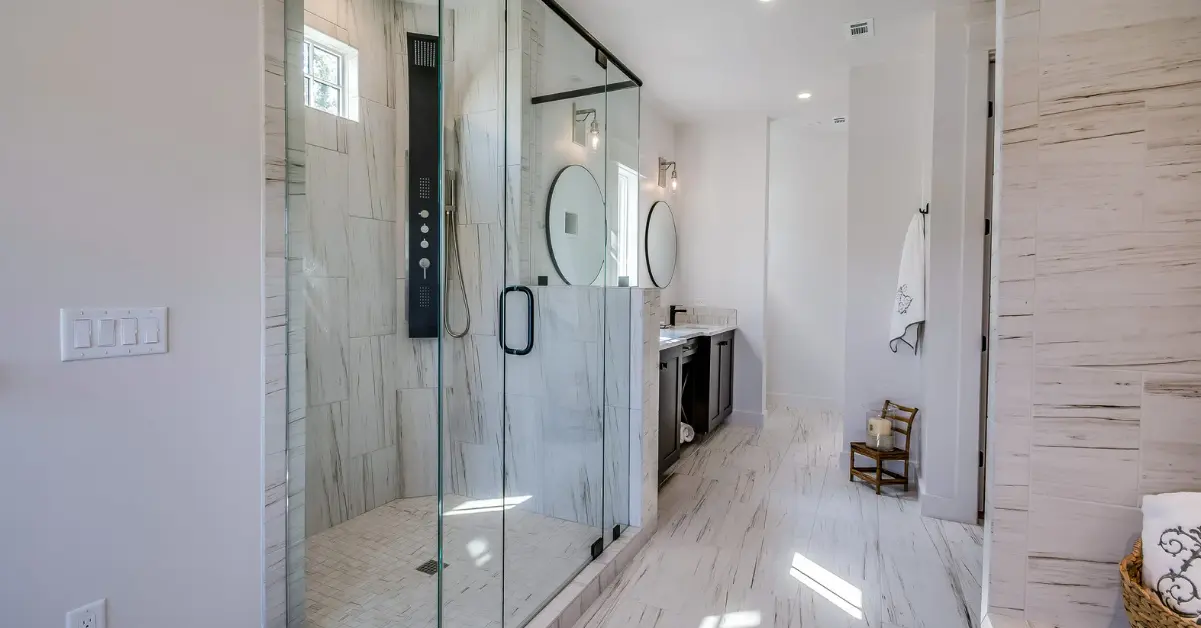
Choosing between frameless and semi-frameless shower screens involves balancing aesthetic preferences, budget considerations, and practical requirements unique to your bathroom renovation. Frameless screens offer unparalleled visual impact and premium appeal, making them ideal for luxury renovations and modern design schemes. Their clean lines and seamless appearance create spacious, bright bathrooms that showcase beautiful materials and craftsmanship.
Semi-frameless screens provide excellent value by delivering enhanced aesthetics without premium pricing. The subtle framing offers structural benefits while maintaining good visual flow, making them suitable for diverse design styles and practical family bathrooms. Their more forgiving installation requirements and lower maintenance needs make them attractive options for many homeowners.
Consider your long-term goals, maintenance preferences, and budget constraints when making this important decision. Both options can deliver excellent results when properly selected and professionally installed. The investment in quality shower screens pays dividends through enhanced daily experiences, improved bathroom functionality, and increased property value.
Working with experienced professionals like SKL Bathroom Renovations Melbourne ensures you receive expert guidance throughout the selection and installation process. Our team can help you evaluate your specific needs and recommend the optimal solution for your bathroom renovation project.
For more information about bathroom renovation services at SKL Bathroom Renovations Melbourne, check them out below:
Bathroom Design & Planning
Full Bathroom Renovations
Small & Ensuite Bathroom Renovations
Luxury Bathroom Renovations
Custom Cabinetry & Joinery
Plumbing Services
Electrical & Lighting Installations
Tiling & Surface Finishes
Certified Waterproofing
Shower, Bath & Toilet Installation
Painting & Finishing
Mirror & Accessory Fitting
Laundry & Powder Room Renovations
Accessibility & Aged Care Bathrooms
Commercial Bathroom Renovations